
Brusa Bezistan: Where Commerce Became History
From Fabric to Tradition
Hidden among the stone alleys of Baščaršija, Brusa Bezistan acts as a time machine where the voices of merchants and the scent of silk still echo.
Built in the mid-16th century at the behest of Rustem-pasha Opuković, one of the most influential grand viziers of the Ottoman Empire and son-in-law of Sultan Suleiman the Magnificent,
this bezistan had a special purpose from the beginning — it was a center for the sale of luxury silk, spices, and jewelry brought from the Turkish city of Bursa (today's Bursa).
Hence its name — Brusa Bezistan, which literally means "silk market from Bursa."
During that period, Sarajevo was among the most important trading points of the Empire, situated at the crossroads between Istanbul, Dubrovnik, and Venice. Through this bezistan, caravans passed from Anatolia, Venice, Vienna, Dubrovnik, and Constantinople, and each commodity carried a story of its origin, the master who made it, and the journey it took to arrive.
Trade at that time was not just buying and selling — it was an exchange of cultures, languages, and
customs.
While some measured the length of silk, others measured the value of trust. On these foundations, Sarajevo became a city of encounters and agreements, where several languages could be heard at every stall, and every transaction was sealed with a word and a handshake.
Sarajevo as an oriental metropolis of trade
In the heart of the 16th and 17th centuries, Sarajevo was a true commercial center of the Balkans. In Brusa Bezistan, silk, velvet, and brocade fabrics arrived from Asia Minor and Persia, as well as fine leather from Dubrovnik, glass from Venice, and metal ornaments from Bosnia.
Customers came from all walks of society – from wealthy merchants and beys to ordinary citizens who wanted to bring a piece of luxury into their homes.
At that time, the bezistan had a strictly regulated trading system.
Sellers were organized into guilds (craft guilds), and prices of goods were prescribed by rules of fair trade (ihtisab). Cheating customers was not allowed, and measurements and scales had to be publicly verified.
Every trade was a kind of social event – buying silk, jewelry, or an expensive carpet was a sign of status, but also an opportunity for conversation, exchange of news, and establishment of new business connections.
From market to museum
Today, through that same space, not merchants but visitors to the Sarajevo Museum pass.
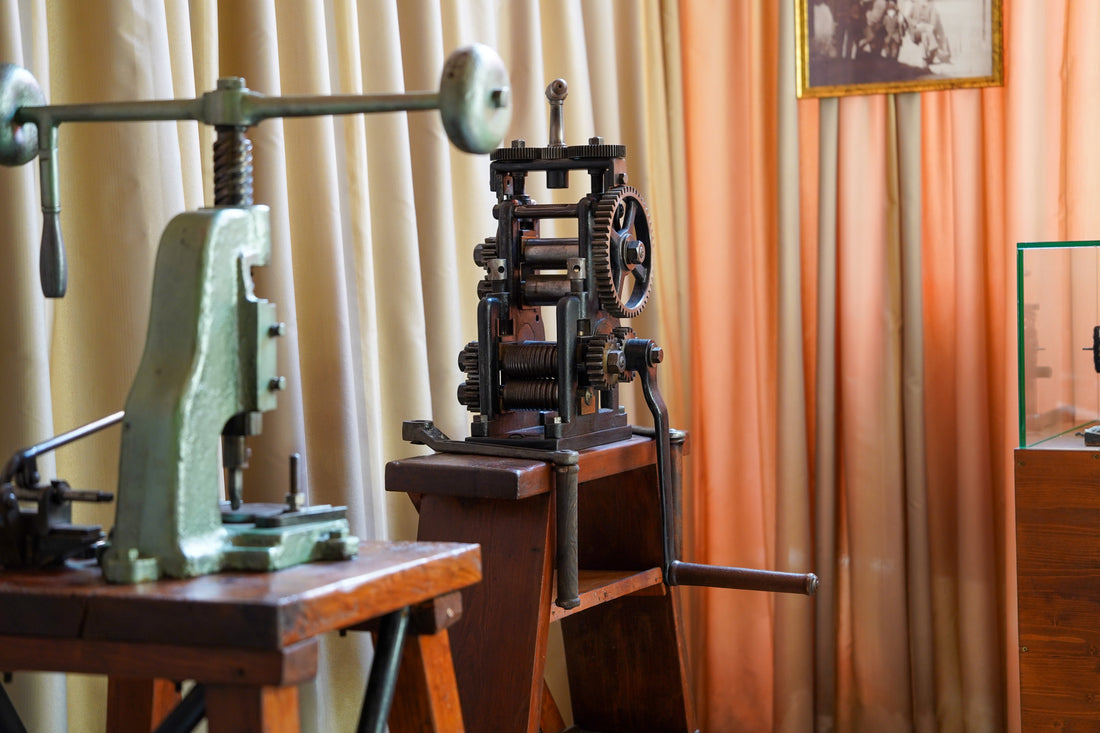
Instead of silk and fabrics, under the stone domes of Brusa Bezistan are now exhibits that tell the story of the city's development – from the Ottoman era to the Austro-Hungarian period.
One of the most interesting parts of the exhibition shows what the old Sarajevo shops looked like.