
How museums shape critical thinking in young people
Museum as a classroom without walls
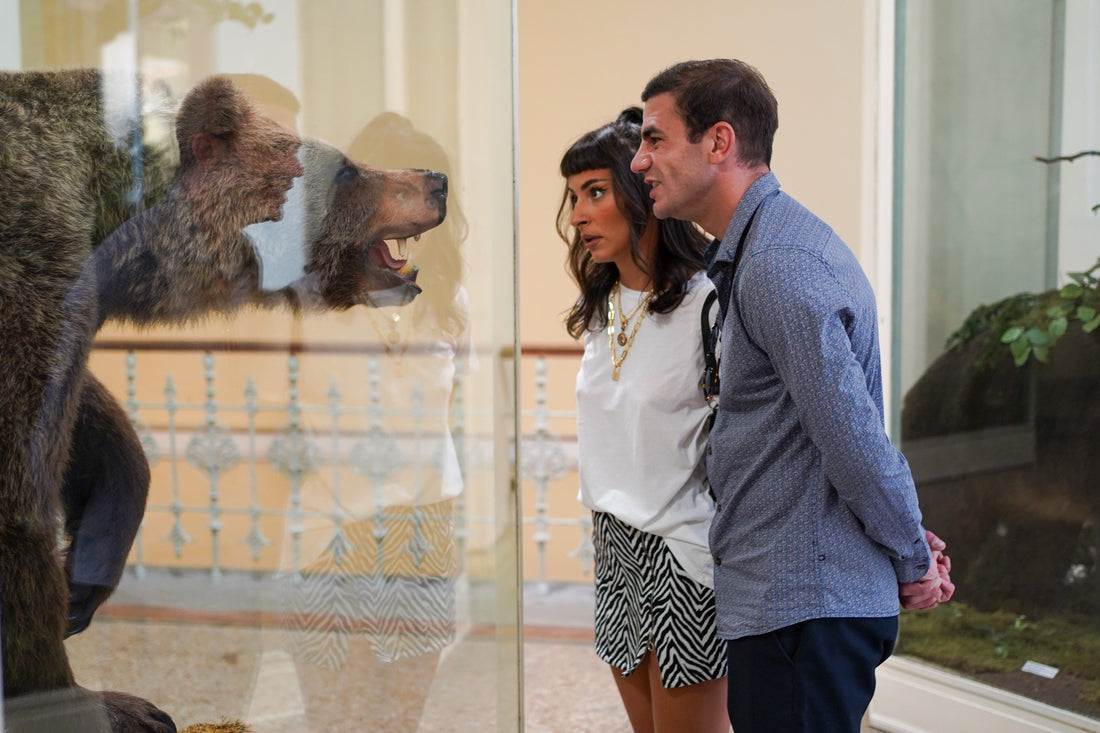
At a time when information spreads faster than ever, but the truth becomes increasingly difficult to discern, museums are taking on a new and important role: helping young people think critically.
They are not just places where the past is preserved, but spaces where one learns to understand the world,
ask questions, and challenge what is taken for granted.
Unlike school, where knowledge comes through textbooks, a museum offers an experience. Young people in it do not learn by rote – they observe, connect, research, and draw their own conclusions.
An object behind glass is not just an exhibit – it is a witness to time, and everyone can interpret it in their own way.
From Observer to Researcher
Museums in Sarajevo – from the National Museum of BiH to the Sarajevo 1878–1918 Museum – provide young people with the opportunity to confront the past through real objects, to reflect on how ideas, systems, prejudices, and values were formed that shape today's society.
Students who visit an exhibition on the Austro-Hungarian period, for example, do not just get a history lesson. They see how urban planning, architecture, clothing, and language change under the influence of politics and culture.
Thus, they realize that history is not black and white – that every change is layered, and every decision has consequences.
In this sense, the museum develops an investigative spirit – it encourages young people to connect facts, distinguish sources from opinions, understand context, and ask "why." This is the foundation of critical thinking.
Encounter with Reality – Emotion as a Learning Tool
Unlike the digital world, where images and information are quickly forgotten, learning in a museum occurs through emotion.
Seeing an authentic object, hearing the story of the person who used it, experiencing the atmosphere of the time – this creates an emotional connection to the topic.
This connection is what awakens empathy and the ability to view things from multiple perspectives.