
Restorers: The Unsung Heroes Who Save the Past
The art of preserving what time tries to erase
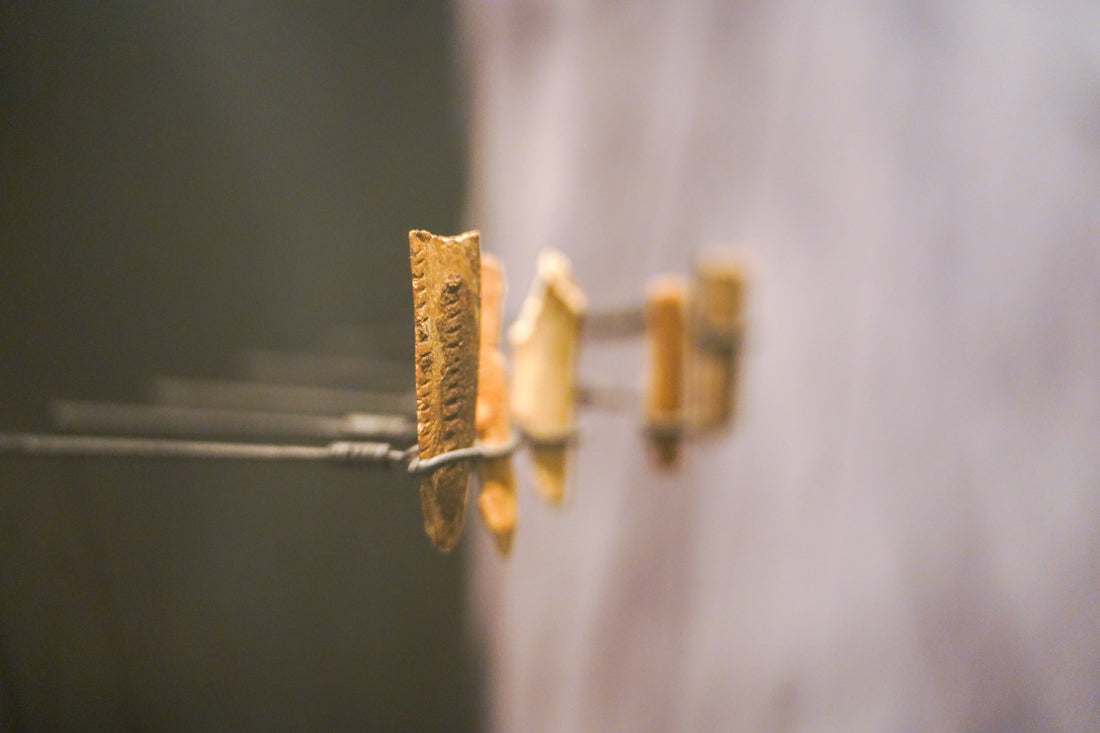
As visitors walk through museum halls, admiring the exhibits, few people think of the people responsible for these objects existing in such a state in the first place.
These people are restorers – silent guardians of the past, masters who combine science, art, and patience in a mission to preserve what time, humidity, and oblivion tirelessly erase.
Their work is rarely seen, but the results are visible everywhere.
Every restored object, every renovated book or painting, hides hours of study, precise work, and invisible decisions that define the boundary between repair and profanation.
Where a restorer's job begins
A restorer is, above all, a researcher.
Before touching an object, they must understand its history, material, method of creation, and damage.
At the National Museum of BiH, for example, restorers work daily on objects several thousand years old – from fragile ceramics to fossils.
Their task is not to make the object "new," but to preserve it in its current form, to prevent its further decay, and to preserve the traces of time.
Every scratch, every crack has its significance – it bears witness to the object's life, its journey, and its fate.
The heart behind the science
Restoration is not just a technical job – it is an emotional encounter with history.
Many restorers describe moments when, after months of work, they rediscovered the colors of a painting that were thought to be lost, or when they saved a manuscript that had begun to disappear due to
humidity.
These moments are a blend of science and pure human emotion.
A restorer must be as patient as a surgeon, but also as empathetic as a storyteller. Because every object has a story – and their task is to prolong its life.
The invisible struggle with time
What the public rarely sees are the conditions under which cultural heritage is preserved – changes in temperature, humidity, dust, microorganisms.
Under such circumstances, every object is like a patient requiring constant care.
Restorers use modern methods: digital material analysis, UV light to reveal layers of paint, microscopic tools, and precise chemical formulas.
However, beyond technology, what guides them is human dedication.
Thanks to them, Sarajevo and Bosnia and Herzegovina still possess original manuscripts, paintings, archaeological finds, and objects that would otherwise disappear into the silence of time.