
National Museum: A Treasury Preserving the Identity of Bosnia and Herzegovina
A place where the past breathes
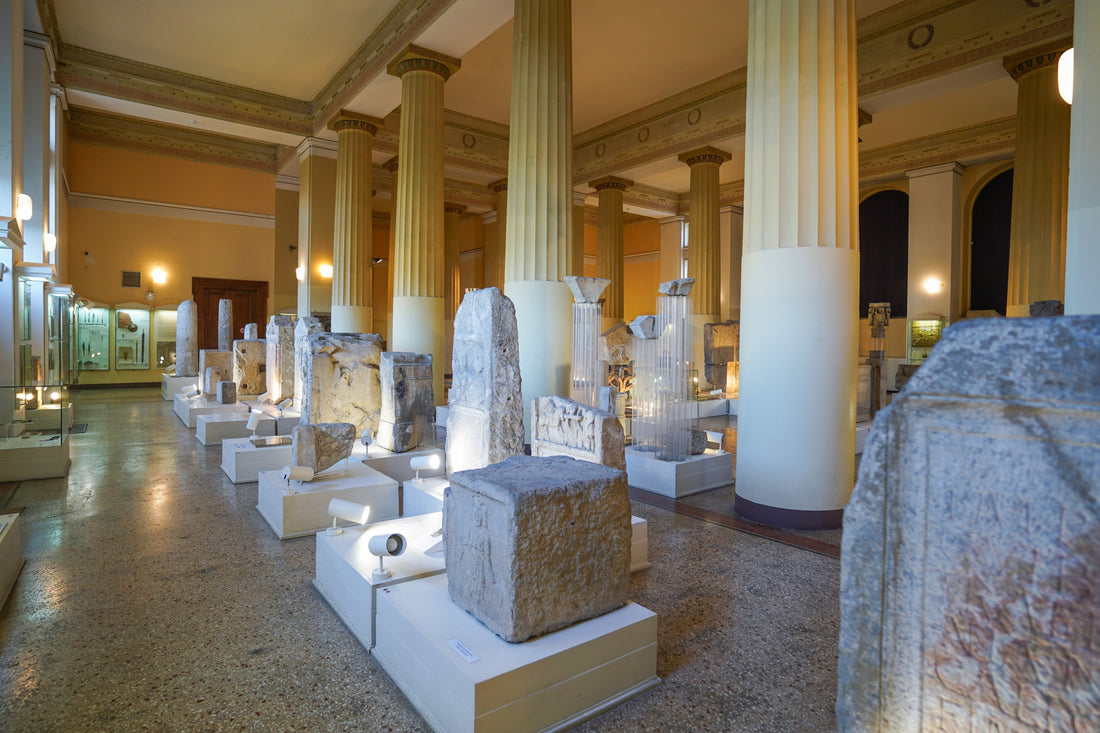
In the heart of Sarajevo, surrounded by gardens and monumental pavilions, stands the National Museum of Bosnia and Herzegovina – the oldest modern museum institution in the country, founded
back in 1888. This museum is not just a building housing objects from the past; it is a guardian of identity, a witness to history, and a space where knowledge, science, and culture meet.
From prehistoric finds, Roman mosaics, and medieval manuscripts, to ethnological collections that showcase the rich tradition of the people of Bosnia and Herzegovina – each exhibit tells a story of the continuity of life in this region.
In the natural history department, visitors can see specimens of flora and fauna that attest to the diversity of our country's nature, while the archaeological pavilion reveals layers of civilizations that have left their mark here.
Sarajevo Haggadah – A Story of Survival, Faith, and Hope
In the heart of the museum, behind a specially secured room and under controlled lighting, one of the world's most valuable cultural treasures is preserved – the Sarajevo Haggadah.
This manuscript, inscribed on parchment and adorned with rich illustrations, dates from the 14th century and belongs to the Sephardic Jews who, after being expelled from Spain in 1492,
found refuge in Bosnia.
The Haggadah contains the text read during the Jewish holiday of Passover, but what makes it special is its incredible story of survival. The Sarajevo Haggadah came to the museum in 1894, when the Koen family sold it to the National Museum. During World War II, museum curator Derviš Korkut saved the Haggadah by hiding it outside the city, risking his own life. The same book also survived the war shells of the 1990s, preserving the symbolism of resilience and the shared heritage of Sarajevo.
Today, the Sarajevo Haggadah is exhibited only occasionally, under strict preservation conditions, and every display of it evokes pride and admiration.
It is not just a Jewish document – it is a symbol of the Bosnian soul: multicultural, brave, and unwavering.